Pay in Four at the Register, and the Protection That Quietly Went Away
Four payments, no interest, thirty seconds at checkout. The gap is what happens when the order goes wrong, and a 2025 decision in Washington made that gap wider.
The checkout page offers a second price. Not $240, but four payments of $60, the first one today. No interest, no application, no hard look at your file.
It works. That’s worth saying first. Millions of people split a purchase this way every month and clear it in six weeks without paying a cent extra.
The trouble sits in the narrow gap between a loan and a card payment, and nearly everything that goes wrong lives in that gap.
The shape of the product
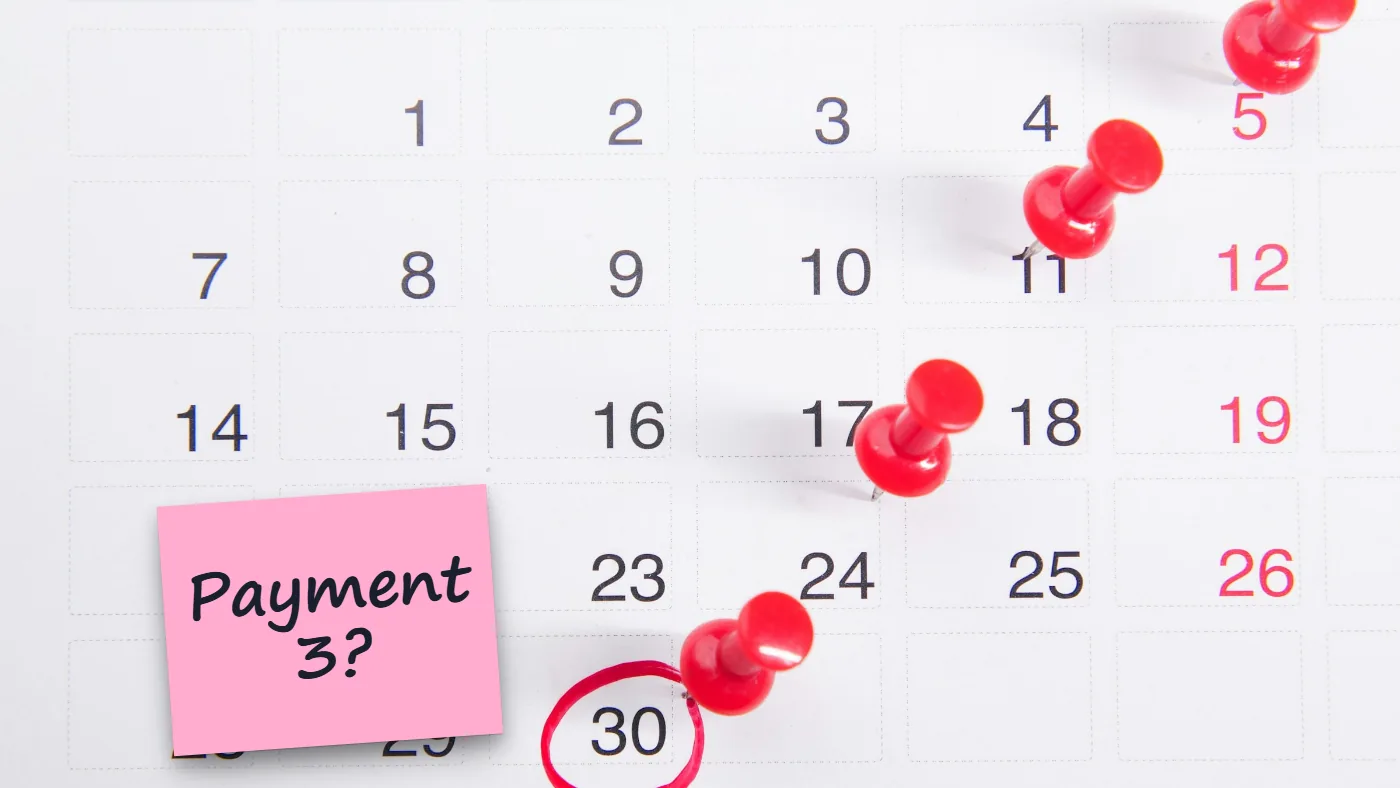
The structure barely varies between lenders. A retail purchase of roughly $50 to $1,000 gets divided into four equal instalments, the first due as a down payment at checkout and the next three at two-week intervals across six weeks.
That shape is why it doesn’t feel like borrowing. No statement arrives. No balance revolves. There’s no rate to quote, because on a plan paid on time there isn’t one.
The lender makes its money from the merchant, which is why the offer shows up on the product page rather than in a bank’s app. The merchant pays a fee for a bigger basket. Everyone in the chain wants the second price to look easier than the first, and it does.
Use has climbed steadily. In the Federal Reserve’s household survey, fielded in October 2025 and published the following May, sixteen percent of adults had used the product in the previous twelve months, against ten percent in 2021 when the survey first asked about it.
Who ends up paying late
The same survey asked users whether they’d missed a payment. Just over a quarter said yes, and the rate moves sharply with income and age.
Who
Used pay in four
Paid late, among users
All adults
16%
26%
Income under $25,000
18%
40%
Income $100,000 or more
12%
11%
Age 18 to 29
22%
32%
Age 60 and over
9%
12%
Sixty-four percent of those late payers were charged extra for it, which works out at about one user in six across the whole product.
Then there’s the second fee, the one the lender never collects. Eleven percent of all users had a payment trigger an overdraft or an insufficient-funds charge at their own bank. Among users who were charged a late fee, nearly four in ten also took an overdraft or NSF hit.
The loan is interest-free. The bank fee behind it isn’t.
One more figure puts those numbers in context. The people reaching for pay in four aren’t, on the whole, people locked out of credit. Earlier Bureau research matching survey answers to credit records found that borrowers using it were likelier than non-users to hold credit cards, retail cards, personal loans and auto loans, and that most of them would’ve faced card rates somewhere between 19 and 23 percent on the same purchase.
Read together, the two sets of numbers describe one group. Shoppers who do have a card. Who pick the instalment plan anyway. And who are likelier than average to be stretched thin by the time the third payment lands.
Continued
The dispute rule that was written, then withdrawn
The structural gap sits here. A credit card carries billing-dispute rights: you return the goods, you dispute the charge, and the issuer has to investigate and respond on a schedule. You don’t have to persuade anyone to be fair.
In May 2024 the Consumer Financial Protection Bureau issued an interpretive rule saying that lenders issuing digital user accounts to access credit meet the definition of card issuers under Regulation Z. That would have brought them inside the provisions on periodic statements and billing disputes.
On 12 May 2025 the rule was withdrawn, together with a long list of other guidance. It appears as the first item under Interpretive Rules in the withdrawal notice.
So the federal position that these lenders owe card-style dispute handling is off the books. What remains is whatever the lender’s own terms promise, which varies by lender and can change between purchases.
Returns are the awkward part
The instalments and the merchant’s refund run on separate tracks. The lender keeps collecting on schedule until the merchant tells it that a refund went through.
That’s fine on a clean, fast return. It gets expensive when the parcel is in transit, the merchant takes two weeks to process it, and instalment three leaves your account in the meantime.
Cancelling the payments yourself is the wrong move. Stopping a debit doesn’t cancel the loan. The missed instalment can draw a late fee while the refund is still finding its way back.
Keep the refund confirmation and send it to the lender rather than waiting for the merchant to pass it along. Treat the plan as unfinished until the balance reads zero.
Then check it again a week later. With the federal dispute rule gone, what the lender owes you on a return is whatever its own terms say, so the terms are the only place that question gets answered.
Autopay, and the chain behind it
Enrolling in automatic payments is normally a condition of using the product, so instalments leave a checking account whether or not the balance is there on the day.
Four questions settle most of this before you tap:
Which account is the autopay attached to, and what will the balance be on each of the three future dates?
What is the late fee in dollars, and after how many days does it land?
Does the lender report the loan to credit bureaus, and does it report on-time payments as well as missed ones?
If you return the item, who tells the lender, and how long does the merchant usually take?
The fourth one is the question almost nobody asks at a checkout, and it’s the one that decides whether a return costs you anything.
What the states are doing about it
In December 2025 the attorneys general of seven states wrote to the six largest lenders in the category, asking how they assess a borrower’s capacity to repay and how they handle billing, late fees and disputed charges. California’s announcement tied the inquiry directly to the federal rules being dropped.
That changes nothing at your checkout today. It does show where the complaints are landing, and late fees and disputed charges are two of the four things the letters asked about by name.
The useful comparison isn’t pay-in-four against paying cash. It’s pay-in-four against the card already in your pocket, which also costs nothing when it’s cleared in full, and which carries dispute rights the instalment plan no longer owes you. Carrying a card balance is the expensive version, and the way a minimum payment is built explains why such a balance barely moves. A version of the same arithmetic sits behind the discount offered at the register.
This is general information, not financial, legal, tax or medical advice.
Home and auto insurance, escrow and mortgages, car loans, debt, credit and taxes
Edited by
The Moneystretching editorial team. A human editor checks every figure, date and rule against the sources before an article is published. How we check articles
Sources
Federal Reserve, Consumer Financial Protection Bureau, Federal Register. Full list with links