Home & Mortgage

Are Home Warranties Worth It? What They Cover, What They Deny, What They Cost

Home insurance doesn't pay when a furnace or air conditioner wears out, and a home warranty fills only part of that gap.

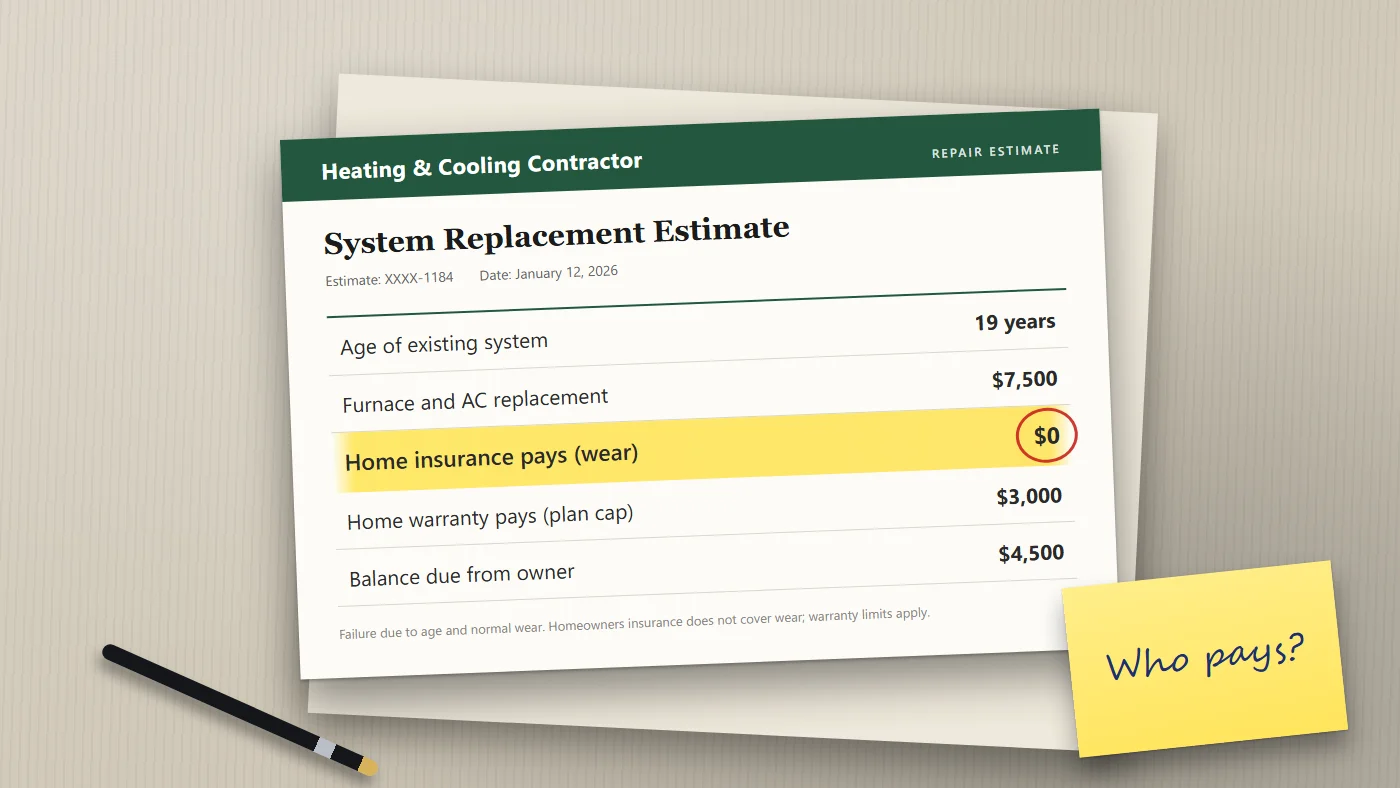
Illustrated HVAC replacement estimate on a desk showing a $7,500 job, $0 paid by home insurance, a $3,000 warranty cap and $4,500 left for the owner.
Illustration

Picture a furnace that quits on a January night. The technician comes out the next morning, opens the cabinet and tells you the heat exchanger is cracked. The unit's 19 years old and not worth fixing. You need a new one, and you need it this week.

Plenty of homeowners make the same call next, to their home insurance company. The answer is no. Home insurance pays for sudden events like fire, wind, a falling tree or a burst pipe, and it doesn't pay for equipment that has simply reached the end of its life. The Insurance Information Institute says so directly: keeping up the home is your job, and a policy won't cover damage that comes from lack of maintenance.

So the bill is yours, and it isn't small. HomeAdvisor's 2026 cost data, updated in June, puts the average heating and cooling system replacement at about $7,500. Most homeowners pay between $5,000 and $12,500, and big or complicated jobs reach $22,000. An air conditioner alone runs $3,900 to $7,900. A gas furnace alone, $3,800 to $10,000. The water heater is the smaller cousin at $1,347 on average.

$7,500 is the average cost to replace a home heating and cooling system in 2026, according to HomeAdvisor. When the old system simply wears out, a standard home insurance policy pays $0 of it.

That gap is what home warranty companies sell against. For an average of $73 a month, or $876 a year, according to NerdWallet's 2026 survey of quotes from 19 companies, a home warranty promises to repair or replace major systems and appliances when they fail from normal use. Prices in that survey ran from $28 to $191 a month.

Is it a good trade? That comes down to three numbers buried in the contract: the payout cap, the service fee and the list of exclusions. The District of Columbia's attorney general gives a blunt example of the first one. Under a capped contract, the office warns, you may get only $1,600 toward replacing a $12,000 boiler.

What a home warranty actually is

The name's misleading. It isn't a warranty in the usual sense, since nobody is standing behind a product they built, and it isn't insurance either. The Federal Trade Commission calls these contracts on existing homes what they are: service contracts, sold separately, for an extra fee.

A typical contract runs one year and renews. You pay the annual or monthly price, and when something covered breaks, you call the warranty company rather than a repair shop. The company sends a contractor from its own network, and you pay a service fee for the visit, which NerdWallet found averages about $108. The contractor reports back. Then the company decides whether to repair, replace, offer cash or deny.

Notice who's making the decisions. You don't pick the contractor, the brand of the replacement or the timing. In July, with every technician in town booked solid, that matters.

Oversight is uneven, too. Depending on your state, these companies may answer to the insurance department, a licensing board, a real estate regulator or mostly to the attorney general's consumer protection office.

The numbers side by side

ItemTypical 2026 figureSource
Home warranty, per year$876 average ($28 to $191 a month)NerdWallet
Service fee, per visitAbout $108NerdWallet
Replace full HVAC system$7,500 average, $5,000 to $12,500 typicalHomeAdvisor
Replace AC unit only$3,900 to $7,900HomeAdvisor
Replace gas furnace only$3,800 to $10,000HomeAdvisor
Replace water heater$1,347 average, $882 to $1,826 typicalHomeAdvisor

Two things jump out. A water heater costs about what a year and a half of warranty payments does ($1,314), so a warranty bought mainly for the water heater rarely pays off. The heating and cooling system is the one item big enough to justify the contract, and that's why the cap on that line is the first number to find.

Where claims get denied

Complaints about home warranties follow a pattern, and consumer agencies keep flagging the same trouble spots.

Caps. The contract limits what the company pays per item and often per year. NerdWallet's illustration is a $2,000 repair against a $1,500 limit, which leaves you $500. On a bigger job the gap grows. If the cap were $3,000 and the job $7,500, the warranty would work exactly as written and you'd still owe $4,500.

Pre-existing conditions. Most contracts exclude problems that existed before coverage started, whether or not anyone knew about them.

Lack of maintenance. The company can ask for proof the system was serviced. No records often means no coverage.

Improper installation and code issues. If the old unit was installed wrong, or the new one needs upgrades to meet current code, those costs are commonly excluded. So are the extras around the job, like refrigerant, ductwork, permits, cranes and hauling the old unit away.

Repair instead of replace. The D.C. attorney general's office notes that a company may only repair a broken item rather than replace it, may limit replacements to a specific brand and your choice of contractor, and often makes you take several steps before it agrees to anything.

None of that makes the product a scam. It makes it a contract with limits, and the limits decide what it's worth. So before you pay for one, or renew the one you've got, run your own house through the math.
Continued

Run the math on your own house

Give it an hour and bring a flashlight.

  1. List the big systems and their ages. Furnace, air conditioner or heat pump, water heater, then the major appliances. The manufacture date is on each unit's data plate. Anything in the last third of its expected life is a candidate to fail on your watch.
  2. Check what's already covered. New equipment often carries a manufacturer's parts warranty of several years. A newly built home has a builder's warranty. Some credit cards extend the warranty on appliances bought with the card. Don't pay twice for the same protection.
  3. Get the sample contract, not the brochure. Any company will send it if you ask. Find three numbers: the cap per system, the cap per year and the service fee. Write them next to the replacement costs in the table above.
  4. Add up a realistic year. Take the average plan at $876, plus two service visits at $108 each, and you're at $1,092 for the year. Now say the air conditioner dies, the job is $7,500 and the plan's cap is $3,000. You pay $4,500 on the job plus the $1,092, or $5,592 in all, instead of $7,500 without a plan. That's about $1,900 better off in a bad year. Five quiet years with no big failure, though, and you've paid $4,380 in plan fees alone, plus any service calls, for nothing you used.
  5. Price the alternative. The same $73 a month in a savings account is $876 a year and about $4,400 after five years, plus interest, with no caps and no exclusions. The FTC makes the same point about service contracts in general: putting money aside in savings can be the better option. It only works if you really do set the money aside.
  6. Read the maintenance clause. If the contract requires regular service, schedule it and keep the receipts. An annual HVAC tune-up is cheap next to a denied claim.
  7. Check the company. The FTC's line on service contracts applies here: a contract is only as good as the company behind it. Look up complaints with your state attorney general and the Better Business Bureau, confirm any license your state requires, and find out how long the company's been around. Read the cancellation terms and refund rules before you pay.

When does a warranty make sense?

It tends to make sense when the systems are old, your savings couldn't absorb a $7,500 hit, and you'd rather make one phone call than find and vet a contractor yourself. It also works when someone else is paying. Sellers sometimes include the first year in a home sale, and a free year costs you only the service fees.

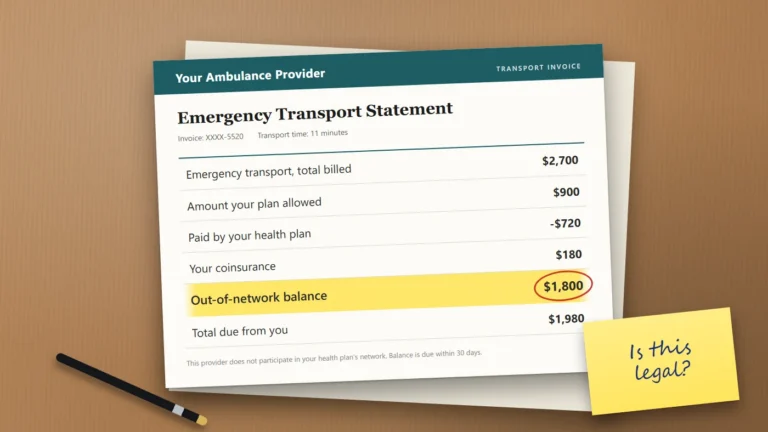
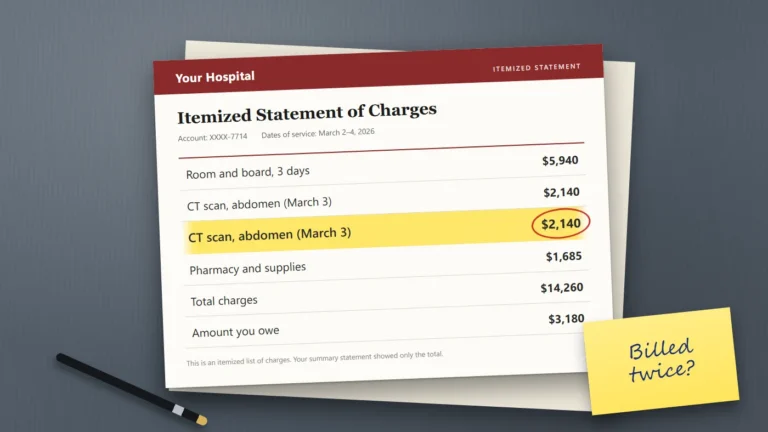
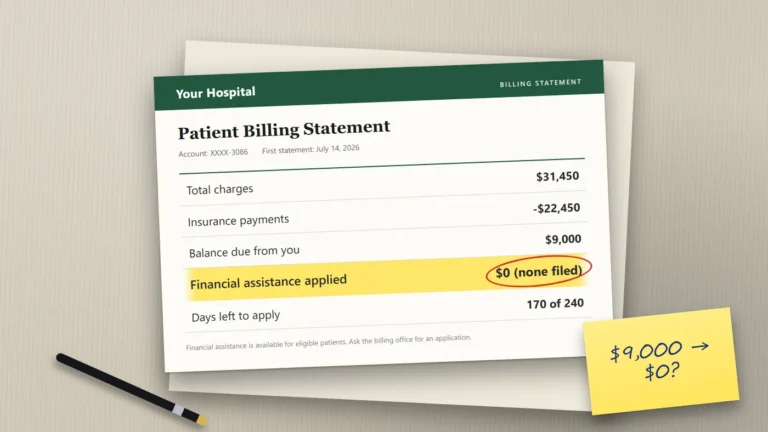
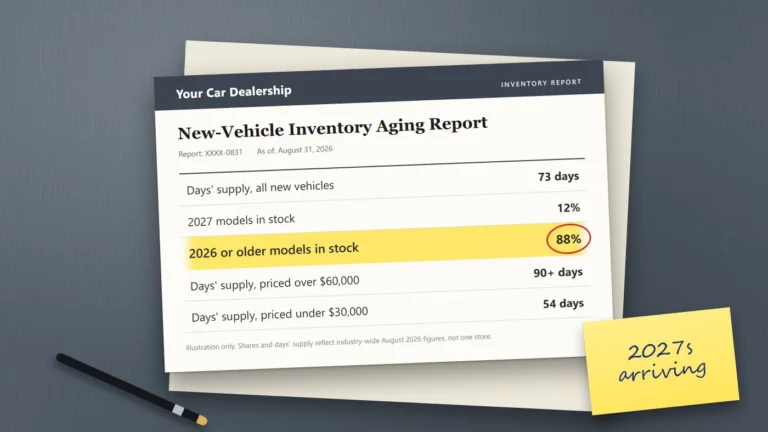
It usually doesn't make sense when the equipment is new and still under manufacturer coverage, when you've got an emergency fund that could cover a new furnace without a loan, or when you care about choosing your own contractor, your own brand and your own install date. Handy owners tend to come out ahead on their own. So do people with a local HVAC company they trust.

Related searches

For a lot of households the honest answer is mixed. Worth it for the two or three years when the furnace is living on borrowed time. Not worth renewing once the big systems have been replaced.

Other ways to cover the gap

A home warranty is one tool of several, and it makes sense to price them together.

Compare plans on the same terms. If you decide to buy, get quotes from several companies for the same set of systems, and lay the caps, service fees and exclusions side by side. The cheapest monthly price often comes with the lowest HVAC cap. I'd trust a plan that prints its heating and cooling limit in plain dollars over one that says "up to" in the fine print.

Get a replacement quote before the emergency. If your system is near the end, ask two or three licensed HVAC contractors for a written replacement estimate now. Off-season quotes tend to be calmer and sometimes cheaper, and you'll know the real local price for your house instead of a national average. Same goes for a water heater past ten years. Ask about utility and state rebates, too. The federal energy efficient home improvement credit doesn't apply to equipment placed in service after 2025, according to the IRS.

Ask your home insurer about equipment breakdown coverage. Some insurers sell an add-on for sudden mechanical or electrical failure of home systems. It's not a warranty and it still excludes gradual wear, so ask what it costs and what it leaves out.

Consider a maintenance plan. Many local HVAC companies sell annual service agreements with scheduled tune-ups and priority booking. They won't buy you a new system, but they can stretch the life of the old one, and they create exactly the service records a warranty company will ask for.

What if the warranty company says no?

Start with the contract. Ask for the denial in writing, with the section of the contract the company is relying on. The FTC suggests putting your repair request in writing and sending it certified mail with a return receipt, so you have proof of who got it.

Get a second opinion from an independent licensed technician, in writing, on what failed and why, ideally from someone who has never worked for the warranty company's network and has no stake in which way the answer goes. If the denial cites a pre-existing condition or poor maintenance, your service records and that letter are your evidence.

If the company won't budge, file complaints with your state attorney general's consumer protection office and with whichever state agency oversees these contracts. Then read the dispute clause. Many contracts call for binding arbitration, and the FTC notes that while it's generally cheaper than court, you can expect to pay up to several thousand dollars depending on the complexity. Weigh that against the amount at stake. Small claims court may be open to you if the contract allows it.

A word about the mail and the phone. Homeowners get a steady stream of urgent-looking notices saying a warranty is about to expire. Treat them as ads. The FTC warns about exactly this "act now, your warranty is about to expire" pitch in telemarketing for service contracts. If you do have a contract, the renewal terms are in it. Check there, and pull out the page with your HVAC cap while you're at it.

This article is general information, not financial, legal, tax or medical advice.

Illustrated home insurance renewal summary on a desk showing the annual premium rising from $2,640 to $3,012 with zero claims filed. Read nextWhy Your Home Insurance Went Up With No Claims — and 7 Ways to Push It Back Down A property assessment notice on a desk with the line "Senior exemption (65+): Not applied" highlighted and a sticky note asking whether the house would sell for $310k. Read nextHow to Appeal Your Property Tax Assessment — Plus Senior Freezes and Exemptions by State

About the author

Ray Castellano

Ray Castellano covers the bills that come with owning a house and a car: insurance renewals, escrow, loans, debt and taxes. He reads the fine print so you can check your own paperwork line by line.

Sources

Updated Sep 22, 2026 · Reviewed against FTC, IRS, Insurance Information Institute, D.C. Office of the Attorney General, HomeAdvisor and NerdWallet cost data

Related searches