Credit Cards are dangerous but essential tools.
In 2018, it is estimated that there were 1.1 billion credit cards in the US alone. That’s a lot of plastic, and a lot of potential debt for an estimated 514 million credit card accounts. The average family’s credit card debt is $6300, and this figure represents the most widely held source of debt in the US. Furthermore, about 45% of families reported a balance still owed after making a credit card payment (federalreserve.gov). In 2019, the total credit card debt reached a peak at $829 billion.
Those are staggering numbers, but there is good news. In the past couple of years, these figures have begun to drop slightly, suggesting that Americans are developing a better hold on their personal finances. Whether this trend will continue or not remains to be seen (given the state of things during the pandemic) but indicators are promising.
Still, there are allot of people carrying balances on their credit cards, and that means that there is allot of wasted money being spent on interest. In 2019, the average interest rate on credit cards was 15.1%. We would never finance a car at that rate, and definitely wouldn’t hold a mortgage with such terms. Nevertheless, many people carry large amounts of debt on their revolving accounts, and as a result throw considerable amounts of money away each month.
There are probably several reasons people find themselves in this situation, but there are two main pitfalls that we would like to address.
- A lack of spending control creates balances that are difficult to pay off, and therefore only the minimum payments are being made
- Consumers don’t pay attention to their balances and just have automatic payments set up, putting their wasted money out of sight and out of mind

The history of the credit card seems to suggest that, at least in concept, they were never meant to become an enduring source of financing. In the 1920’s, certain business began to offer arrangements for paying on an account, and by 1950, the Diner’s Club card was introduced. This is widely recognized as the first “credit card” that could be somewhat universal, but the balance was required to be paid off every month.
1958 brought the Bank of Americard (Bank of America) and then in 1966 came Mastercharge (Master Card) followed in 1970 by what would come to be known as VISA. It was around this time that it was discovered that consumers didn’t really pay attention to the interest rates on credit cards, and they really didn’t care (according to Lendol Calder, history professor at Augustana College in Rock Island, Illinois).
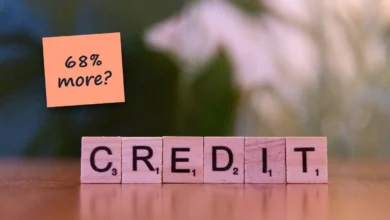
And that’s precisely where we are at today. Many people look at rewards, points, miles, and annual fees and gloss over the actual APR of their credit card offer. This can be as high as 36% on some we have seen recently. If you tend to carry a balance on your cards, this should be enough to toss that offer directly into the shredder. But how much of a role does APR really play for cards used the correct way?
The advice we offer is the same you have probably heard before, but it is SO important that we cannot stress it enough. There is never any valid reason to carry a balance on a credit card, save only the most urgent emergencies, and even then, there are better options.